Behind the Facade of “Bring Them Home NOW”
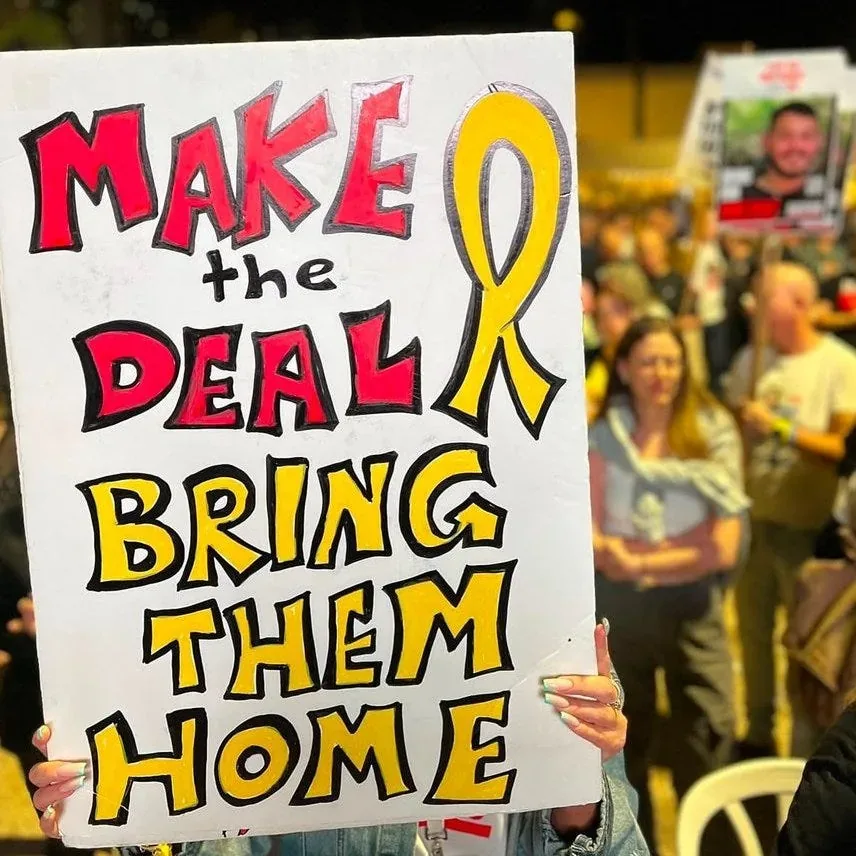
“Bring Them Home NOW” is a political slogan and movement designed to focus blame on the Israeli government for the hostages who are still in captivity, while distracting from the fact that they’re being held by murderous Islamic terrorists who have no intention to release them under any reasonable conditions.
The slogan is written to promote the notion that the hostages are available for us to “bring them home” but it hasn’t happened due to a lack of urgency (“NOW”) or a failure to negotiate. It is plastered all over Tel Aviv, backed by a well-funded ad campaign and frequent organized protests, manipulating the emotions and heartbreak of the Israeli people who are grieving this tragedy.
Whether intentional or not, the movement serves to:
- Force Israel into a losing outcome: returning ~100 remaining hostages while endangering the population of 9.5M people by giving concessions to Hamas that would enable their continued control of Gaza.
- Drive an emotionally charged wedge between leftists and conservatives in Israeli society and government, intensifying national division.
- Not only deflect pressure from the perpetrators who can actually set the hostages free, but also to give them their best chance to survive this war and continue their jihad another day.
- Create as much popular pressure as possible to force Netanyahu out of office — I believe this is the top aim of the campaign; capitalizing on a traumatic moment for political gain.
To be clear, the vast majority of people supporting the movement are doing it because they are desperate to see the hostages come home and are unaware that they’re being used to drive the downstream effects listed above.
However, given those effects, it’s fair to speculate that the significant financial interests behind this could be domestic, foreign, or a combination of both.
If one’s goal is to free the hostages AND neutralize the threat of terrorism, perhaps threatening the captors is a more promising approach: